One of the biggest mindset shifts when moving from behind the bar to a supervisory or management role is learning to look beyond the liquid.
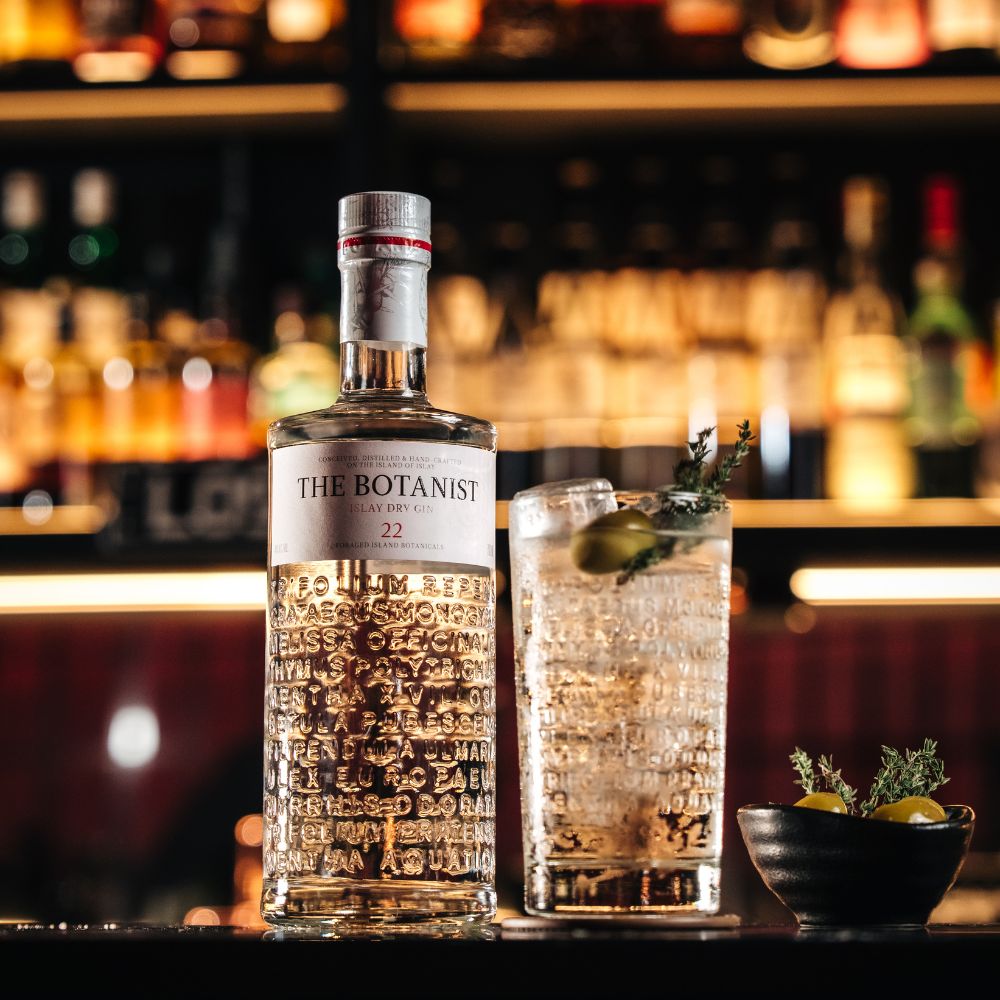
You stop seeing a Gin & Tonic as just gin and tonic and start seeing it as a bundle of costs, systems, margins, and operational reality sitting inside a glass.
And once you understand it, you can’t unsee it.
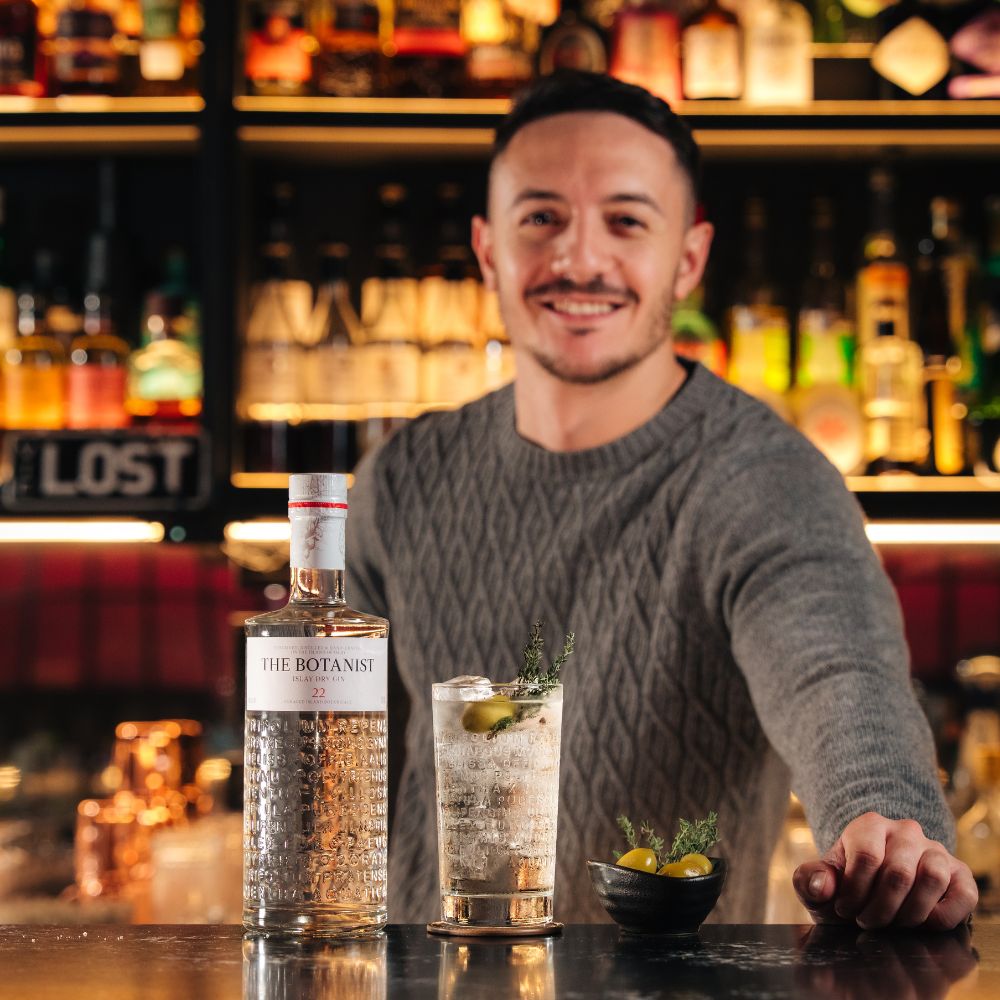
Let’s break it down properly using a classic Gin & Tonic.
Step 1: Costing the Spirit
Let’s assume a base price of $65 as an example.
Here’s how it works:
- Bottle Cost: $65 Ex. GST
- Bottle Size: 700ml
So:
$65 ÷ 700ml = $0.0929 per ml
30ml pour (standard pour in Australia):
$0.0929 × 30ml = $2.79 per serve
At this point, many bartenders stop here and think pricing is just a simple markup exercise.
Spoiler alert: It isn’t.
Step 2: COGS Target
Most venues aim for a COGS (Cost of Goods Sold) target between 20% and 25% for backbar spirits.
Let’s use 25%:
$2.79 ÷ 0.25 = $11.16
So even before we consider anything else, the gin alone suggests a selling price of around $11.
But this is only one layer of the equation.
Step 3: Variable Costs & Overheads
Once you look at the full picture, you quickly realise how many other costs are actually sitting behind a single drink.
A Gin & Tonic is never just gin.
Beyond the spirit itself, there are the obvious additions:
- Tonic water
- garnish
- ice
In some venues, premium clear ice alone can add close to $1 per serve.
And then the less visible layer that every venue has to carry:
- labour
- rent
- utilities
- wastage
- glassware breakages
This is also where things can get slightly misunderstood on the floor.
Sometimes there’s a push to reduce cost by making everything in-house:
- syrups
- cordials
- infusions
Those ingredients can absolutely add value when done well.
But it doesn’t always balance out.
If the quality isn’t consistent, or if the labour time and wastage start stacking up, the “cheaper” option can quietly become more expensive than just buying a well-made product in the first place.
So, when you step back and look at it properly, the spirit cost is only one part of a much larger operational picture.
Step 4: House Pour Logic
A common misconception is that the house gin is simply the “best value.”
In reality, the first pour is usually the commercially optimised default shaped by supplier agreements, rebate structures, volume deals, and broader brand partnerships.
It’s designed to make sense at scale, not just in isolation on a single drink. That said, the back bar isn’t there by accident either.
Those additional bottles create flexibility.
They allow bartenders to tailor recommendations, meet different guest expectations, and build higher-value serves when the moment is right.
In many cases, they also unlock upselling opportunities and a better overall experience that a single “house” product can’t deliver on its own.
It’s about building a structure where commercial decisions and guest experience work in parallel, not in competition.
Step 5: Venue Positioning
The same Gin & Tonic can sit at very different price points depending on where it is served:
- Pub: $10–12
- Cocktail bar: $13–16
- Hotel / premium venue: $16+
And none of these are random.
You are not just pricing liquid — you are pricing: location, service style, rent, staff skill, ambience and guest expectation.
A Gin & Tonic in a high-end venue is not the same product experience as one in a high-volume bar, even if the recipe is identical.
Step 6: A Note on GST
GST (Good and Services Tax) is not usually included in drink cost calculations.
Why?
Because GST is not part of the venue’s operating margin.
When bar managers calculate beverage costs and profitability, they typically work with net figures (excluding GST) to understand what the business is actually earning from a sale.
For example, if a drink sells for $12 including GST, the venue doesn’t keep the full $12. A portion of that sale is “GST collected” that is offset the “GST paid” on stock and other business expenses, with the remaining balance ultimately remitted to the government.
That doesn’t mean GST isn’t important. It absolutely forms part of the final menu price guests see and pay. However, when analysing margins, beverage costs, and profitability, GST is usually separated out so managers can assess the true financial performance of a product.
Sell the Experience
That’s why seeing a Gin & Tonic priced at $14–18 is often far more reasonable than it first appears.
A drink can be popular and still be unprofitable. Equally, the highest-margin drink on the menu isn’t always the smartest choice for the business.
Great bars aren’t built solely on margins. They’re built on reputation, service, consistency, quality products, and memorable guest experiences. After all, a venue can have excellent margins on paper, but if nobody wants to drink there, those margins don’t mean much.
The goal of beverage costing isn’t to find the cheapest solution. It’s to find the right balance between profitability, quality, and guest satisfaction.
Because guests don’t buy ingredients.
They buy experiences.
Now, it’s your turn! Share your thoughts with us. Your opinions matter, and we’d love to engage with you. Support us by following our page!